Pioneering patented low-energy material engineering that transforms neglected, contaminated post-consumer plastics into certified Fair Trade, high-durability circular textiles.
Single-use low-density polythene (LDPE) bags are among the most difficult post-consumer plastics to recycle due to light weight, high contamination, and poor scrap value. Standard recyclers reject them, leaving them to clog waterways or burn in toxic dump fires.
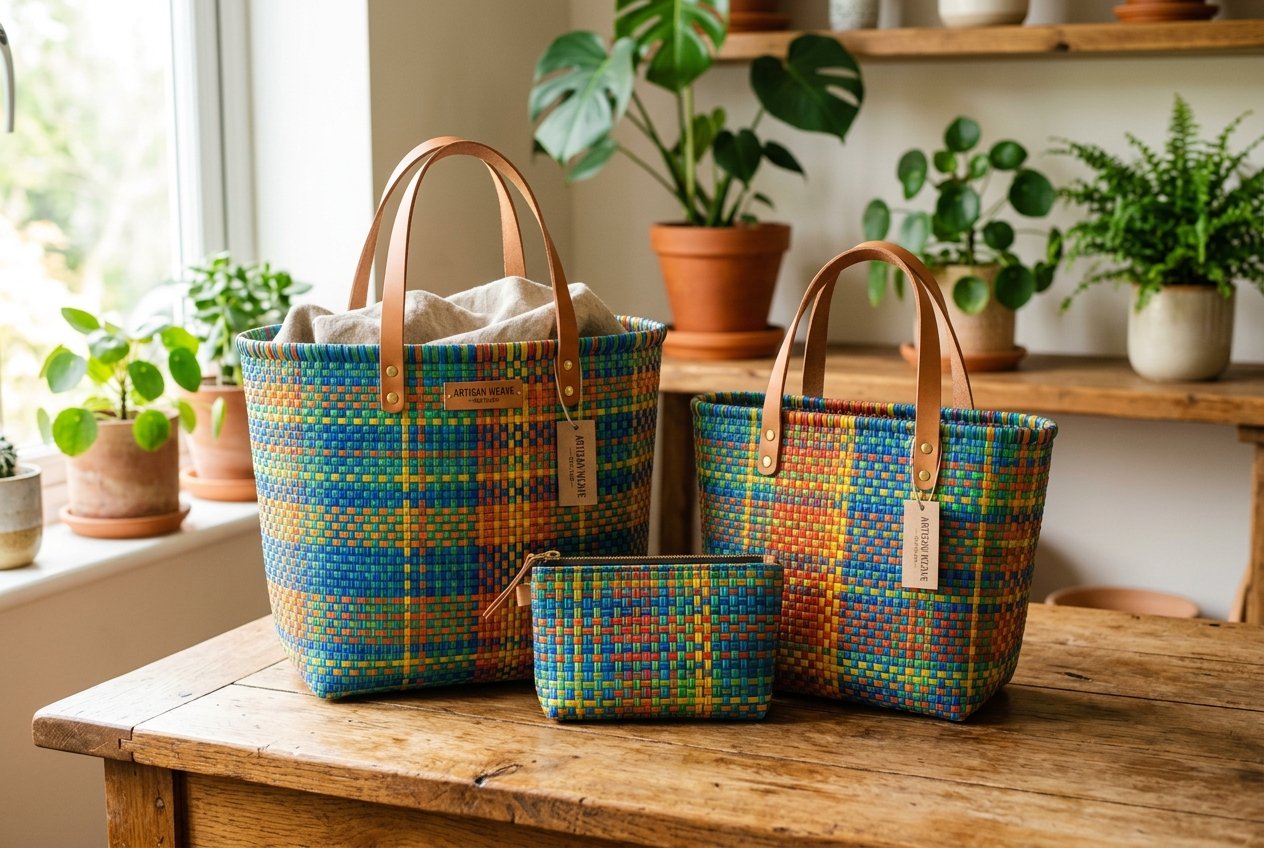
Conserve patented an innovative thermal-compression process that fuses multiple layers of discarded plastic bags into supple, abrasion-resistant, and water-repellent sheets known as Handmade Recycled Plastic (HRP).
From urban landfill collection to certified Fair Trade global export.
Grassroots waste pickers recover discarded LDPE polythene bags from city dumps, receiving premium wages well above standard scrap market rates.
Collected plastics undergo deep sanitization and washing in closed-loop water treatment systems utilizing non-toxic, biodegradable cleaning agents.
Master artisans sort plastics by hue and opacity, composing intricate multi-tone patterns by hand with zero synthetic dye chemicals.
Calibrated heat and compression fuse multi-layered plastic films into thick, resilient, and flexible HRP material sheets with verified high tensile strength.
Trained craftspeople cut, stitch, and finish HRP sheets into stylish totes, laptop sleeves, and clutches exported to over 1,000 retail stores globally.
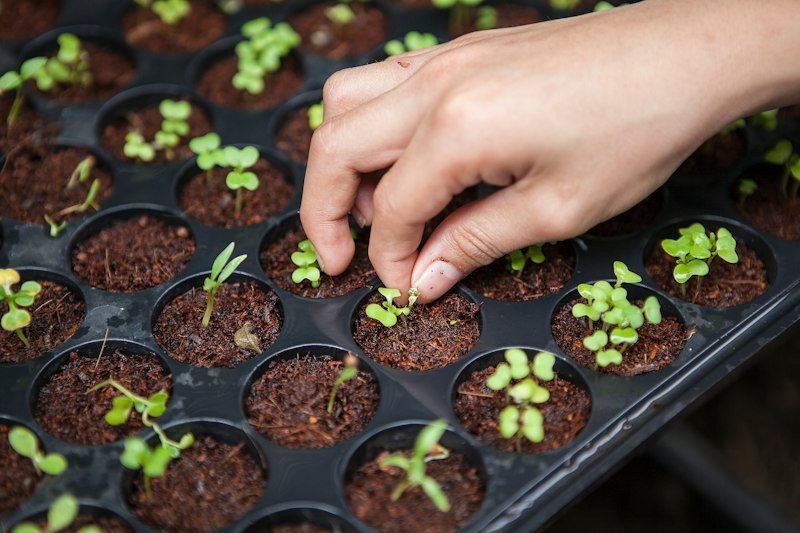
Recognizing climate vulnerability, groundwater depletion, and soil salinization in North India, Conserve engineered an affordable, soil-less hydroponic cultivation system built using upcycled materials.
The modular system consumes 85% less water than traditional soil farming and allows smallholder families to cultivate nutrient-rich vegetables in degraded urban and semi-rural spaces year-round.