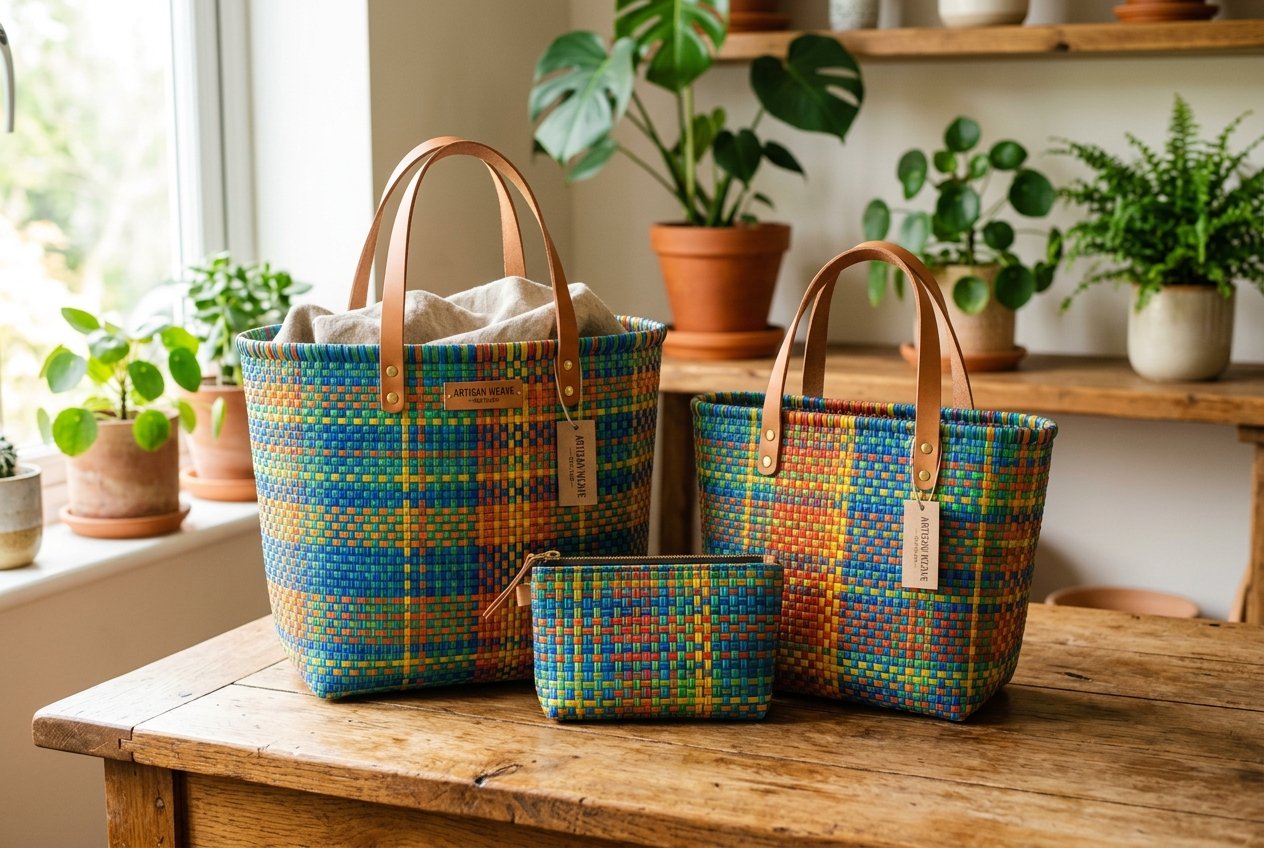
Conserve India operates at the intersection of environmental conservation and social justice—diverting urban plastic waste while empowering marginalized waste pickers and refugee women with dignified, employable opportunities.
In 1997, founders Anita Ahuja and Shalabh Ahuja set out to address urban ecological crises in Delhi. Initially focused on energy conservation and clean air lobbying, their field work quickly led them to the acute challenge of urban solid waste management.
At the time, Delhi's landfills were suffocating under mountains of discarded polythene bags that contaminated soil and choked drains. Meanwhile, in surrounding informal settlements, thousands of ragpickers lived in dangerous conditions without legal recognition or fair income.
Anita envisioned a transformative model: converting discarded plastic into a premium raw material, and training informal waste collectors into respected master artisans.
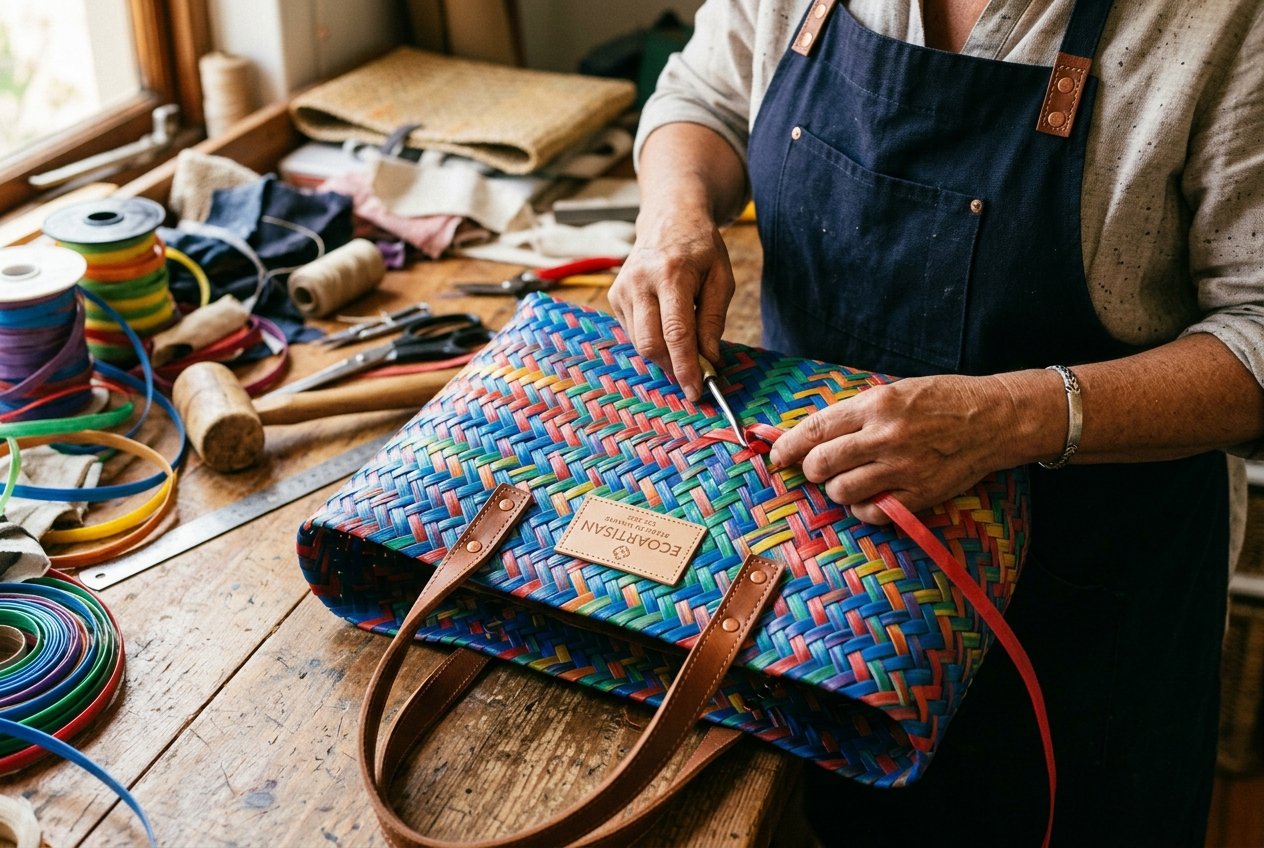
After years of hands-on material research, Conserve engineered and patented Handmade Recycled Plastic (HRP) — a revolutionary material produced by washing, sorting, and thermocompressing discarded polythene bags into durable, leather-like sheets.
Driving systemic ecological regeneration while establishing equitable, dignified social inclusion for India's informal waste workforce.
To eliminate urban plastic pollution through patented, design-led circular upcycling, while transforming underprivileged waste pickers and refugee women into skilled artisans with fair wages, financial security, and social dignity.
A regenerative world where zero post-consumer waste reaches landfills, and where informal waste collectors are formally recognized, celebrated, and economically empowered partners in the global green transition.
Tangible outcomes achieved over 25+ years of relentless grassroots and environmental dedication.
Our approach synthesizes modern industrial ecology with grassroots human rights, moving away from charitable handouts toward autonomous, self-sustaining economic engines.
Treating post-consumer plastic waste not as refuse, but as an engineered raw material that substitutes leather and virgin synthetics.
Transitioning unrecognized ragpickers into skilled artisans, technical sorters, and registered cooperative members with verified labor protections.
Adhering strictly to WFTO standards: transparent wage premiums, safe atelier ergonomics, healthcare access, and zero child labor.
Conserve India's operational roadmap addresses four interrelated thematic domains to achieve holistic, durable community transformation:
Urban plastic diversion, municipal waste segregation, and reduction of landfill leachate contamination.
Vocational skill building in master cutting, sewing, and material processing with above-minimum living incomes.
Dedicated programs for UNHCR Afghan refugees (Akseer) and women waste collectors in health, hygiene & banking.
Championing informal sector inclusion in Extended Producer Responsibility (EPR) laws and national waste guidelines.
Passionate innovators, designers, community organizers, and master artisans steering Conserve India's multi-decade mission.
Pioneer of patented HRP technology, artist, designer, and social activist leading material research and artisan ateliers.
Environmental engineer driving corporate partnerships, policy advocacy, waste diagnostic audits, and EPR frameworks.
Veteran craft leads mentoring batches of informal waste pickers and UNHCR refugees in high-precision upcycled fashion.
Managing the Delhi/Haryana Waste Collectors Association, health camps, and women's financial literacy sessions.
Key turning points in our evolution from a civic advocacy initiative into an internationally recognized circular enterprise.
Established in New Delhi by Anita and Shalabh Ahuja, pioneering clean air, energy conservation legislation, and civic waste segregation programs.
Patented Handmade Recycled Plastic (HRP), launching our first artisan training atelier for Delhi ragpickers, turning discarded plastic bags into fashion textiles.
Formed distribution partnerships across the US through Whole Foods Market nationwide and expanded to over 1,000 independent design retailers across Europe.
Ranked in India's top 50 COVID-19 last-mile emergency responders, providing community kitchens, emergency food, and hygiene kits for migrant waste pickers.
Redesigning Social Enterprise for Lasting Impact
Traditional non-profits depend on fleeting donor cycles; traditional businesses often exploit informal labor. Conserve India breaks both moulds by fusing patented material IP with grassroots cooperative manufacturing.
By establishing high-margin, design-driven upcycled export channels (Whole Foods Market, Lifaffa), revenue is continually reinvested into free artisan vocational training, worker healthcare, and community education centers.
The Conserve Hybrid Blueprint